
Heat stress occurs when the body is unable to regulate its internal temperature under excessive heat exposure. This can lead to fatigue, reduced concentration, and in severe cases, heat-related illnesses such as heat exhaustion or heat stroke. Factors such as high humidity, physical exertion, and protective clothing can further increase these risks.
Prolonged exposure to heat affects both safety and productivity. According to the International Labour Organization, heat stress is projected to reduce total working hours globally by 2.2% by 2030 — equivalent to 80 million full-time jobs. For organisations operating in hot environments, this translates into lower efficiency, increased downtime, and greater risk of workplace incidents.
Heat stress can impact a wide range of roles across industries. Outdoor workers — including construction, logistics, and field operations — are particularly exposed due to direct environmental conditions. However, indoor workers in warehouses, factories, and non-climate-controlled environments are also vulnerable. In both cases, symptoms such as fatigue, dehydration, and reduced focus can significantly affect performance.
Managing heat stress requires a combination of environmental and personal measures. Common approaches include improving ventilation, adjusting work schedules, ensuring access to hydration, and providing rest areas.
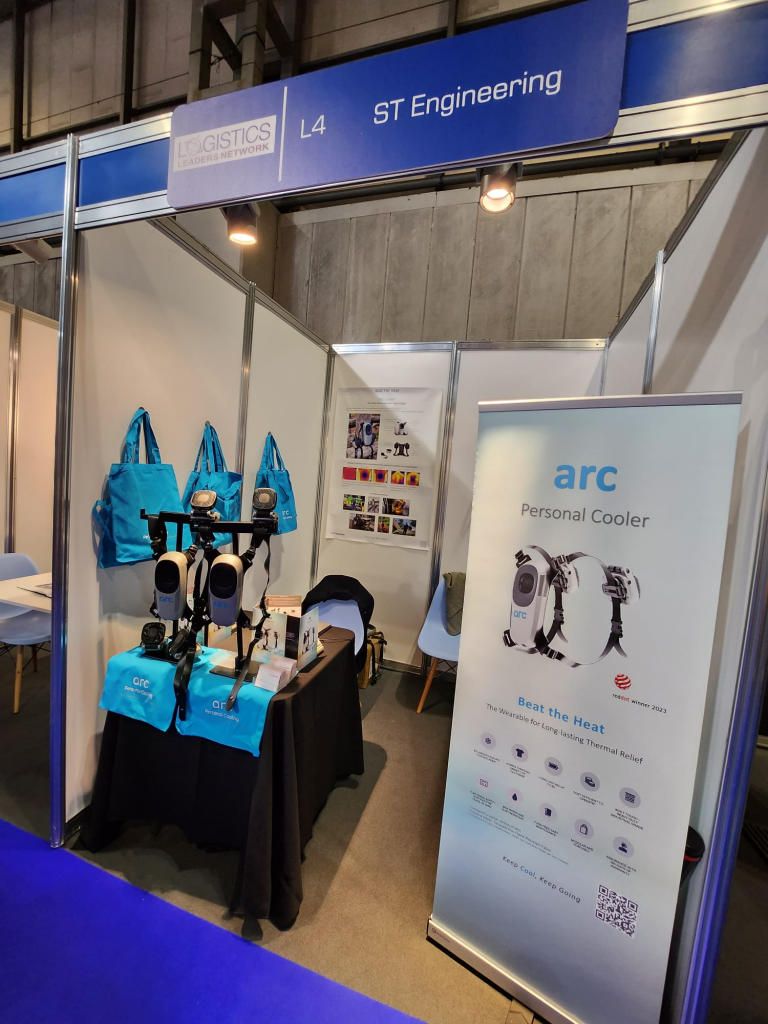
In addition to these measures, personal cooling solutions play an important role in supporting individual comfort — particularly in environments where large-scale cooling is not always feasible or effective.
Investing in worker comfort is not only a safety priority but also a business consideration. Studies have shown a strong link between employee well-being and organisational performance, with higher well-being associated with improved productivity, reduced absenteeism, and better overall operational outcomes.
By addressing heat stress proactively, organisations can create safer working conditions while maintaining workforce efficiency in challenging environments.
.png?language=en)
.png?language=en)