
Maintaining a comfortable working environment is essential for sustaining productivity, focus, and overall well-being—especially in physically demanding or high-temperature settings. As workplaces evolve, organisations are increasingly exploring practical cooling solutions that can adapt to different environments and work conditions.
Cooling solutions in the workplace generally fall into two categories:
Each serves a different purpose depending on the work setting, mobility needs, and operational constraints.
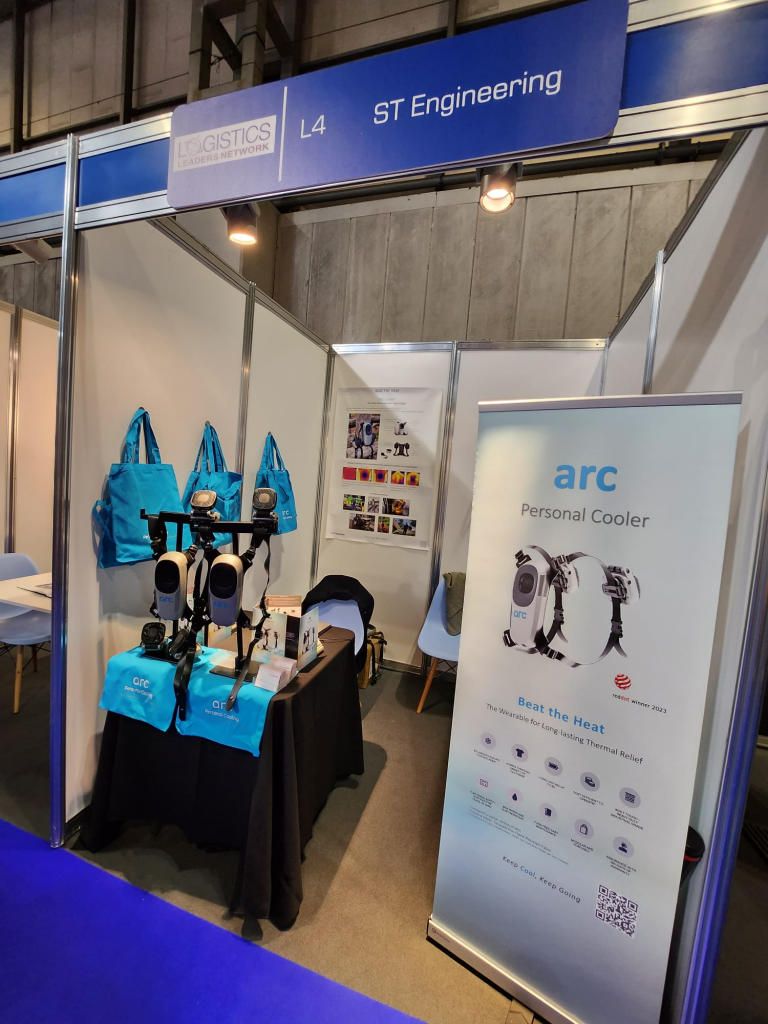
Wearable cooling gear is designed to deliver targeted relief directly to the individual, making it especially useful in dynamic or heat-intensive environments.
Key advantages:
This makes wearable cooling particularly suited for industries such as construction, logistics, maintenance, and field operations.
Air conditioning systems cool entire spaces and are commonly used in offices, enclosed facilities, and controlled environments.
Key considerations:
While air conditioning is effective for stationary, indoor settings, it may not be practical for all workplace scenarios.
The choice between wearable cooling and air conditioning depends on how and where work is carried out:
In many cases, organisations may adopt a hybrid approach—using air conditioning for indoor areas while equipping workers with wearable cooling for tasks beyond controlled environments.
As workplaces become more dynamic, the need for flexible and scalable cooling solutions continues to grow. Wearable cooling introduces a new approach—bringing comfort directly to the individual, wherever work takes place.
.png?language=en)